Your Blueprint for Landing Massive Media Coverage
Over the course of my career, I’ve been behind PR campaigns that have earned more than $94 million in airtime from one single campaign. Hundreds of campaigns under my belt. Countless stories placed. And somewhere along the way, I developed a sense for what works — often before the first pitch ever goes out.
What I know for certain is this: the difference between a campaign that lands and one that doesn’t almost always comes down to what happens before you begin. Get the foundation right, and everything else follows. Here are five tips to help you do exactly that.
These are the five fundamentals I’ve seen make or break campaigns — time and time again.
AI and search now want PR, your clients want PR proof, you and your business want PR.
Get these fundamentals right, and you’ll be set up to win.
1. Define your story angle
Reporters don’t cover companies. They cover stories.
Before anything else, find the single most newsworthy thing about your news. A surprising data point. A timely trend. A local tie. Then shape it into one clear sentence a reporter could use as a headline.
Ask yourself: Why is this news now, and who benefits? How is it right for the journalist’s audience right now?
2. Research the right reporters
A mass email to 500 journalists feels productive. It isn’t.
Find the 5–20 reporters who actually cover your topic. Read their recent work. Note how they like to be reached. When you pitch, mention a piece they wrote and why your story fits their beat. There’s a human being on the other end of your pitch, progress as such.
Fewer, better contacts addressed with clarity and precision beat a big list every time.
3. Craft a compelling pitch (and a press kit)
Make it easy to say yes. Your pitch, press kit, and press release should hand reporters everything they need:
- A headline that captures the hook
- The five W’s in the opening line
- One or two quotable quotes
- High-res photos, logos, or b-roll, ready to go
- Clear contact info and a simple next step
Skip the marketing fluff. Give them facts, context, visuals and you’ll likely be rewarded with visibility.
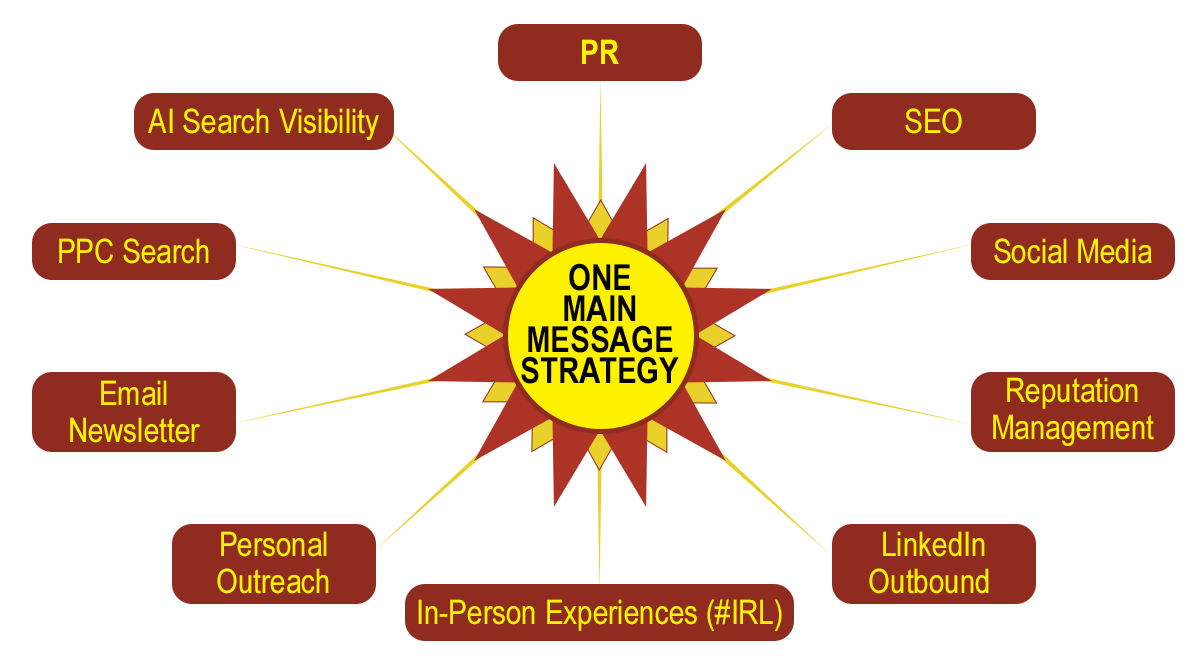
4. Use more than one channel
Coverage doesn’t have to live and die with one story. Amplify it.
Share the piece on your blog and email list. Post it on social and tag the reporter and outlet, respectfully. Pull a great quote or stat into a graphic. A little effort here stretches the life of every placement.
5. Follow up and measure
Send one short, polite follow-up 48–72 hours after your pitch. Just one. Then track what happens.
Note your placements, your traffic, your referral visits, any leads that came from coverage. That data tells you what worked, so your next campaign starts stronger than the last.
Here’s the truth: none of this is complicated. But it does take intention and a bit of elbow grease. The people who plan and research before they pitch are the ones who get the coverage they’re hoping for.
If you’d like a hand thinking through your angle or building your project media list, I’d genuinely love to help. Just reply to this email, and we’ll map out a plan that fits your business.